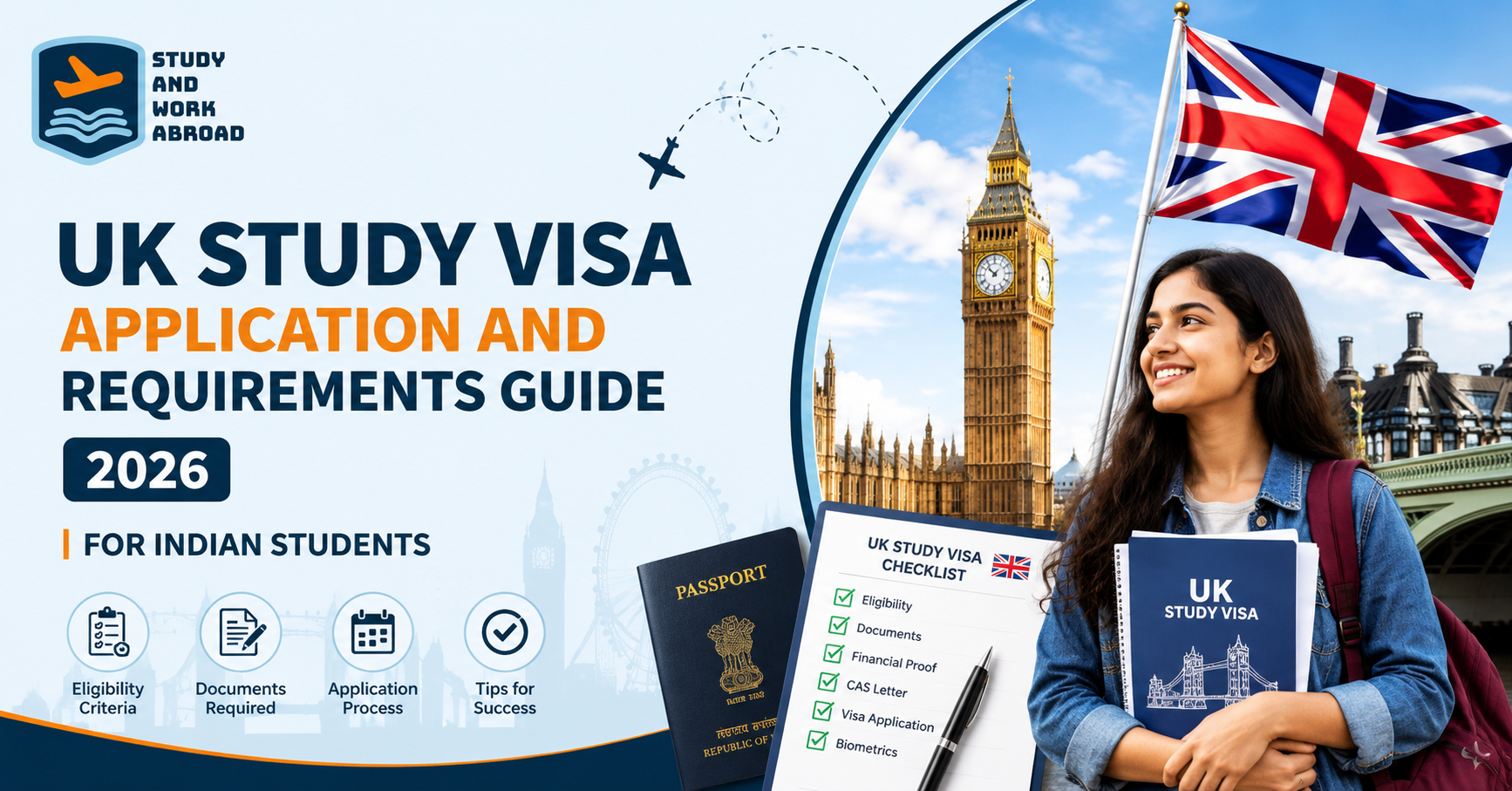

Data science is one of the fastest-growing fields in the world right now, and the UK sits at the centre of that growth. From London’s booming fintech scene to world-class AI research in Edinburgh and Cambridge, the UK gives international students access to outstanding academic programmes, industry networks, and real post-graduation career prospects. If you are considering pursuing an MSc Data Science in the UK, this guide walks you through everything you need to know top universities, course options, fees, entry requirements, and what the job market actually looks like.
Why Study Data Science in the UK?
Before getting into university rankings, it is worth understanding what makes the UK a strong choice for this field in particular. Strong global reputation. Universities like Imperial College London, UCL, and the University of Edinburgh consistently rank among the world’s top institutions for computer science, AI, and data science. Employers worldwide recognise UK postgraduate degrees. Short course duration. Most MSc programmes in the UK take 12 months full-time. Compare that to a two-year master’s in the US or India, and you spend less time in university, less money on tuition, and get into the workforce faster. Graduate Route visa. After completing your degree, international students can apply for a Graduate Route visa that allows you to live and work in the UK for up to two years (or three years for PhD graduates) without needing a job offer upfront. This gives you enough time to build your professional network and land a sponsored role. Note that applications made after December 31, 2026 may see this duration reduced to 18 months for master’s graduates, so current intakes still benefit from the full two-year window. Industry access. The UK is home to major tech companies, global banks, healthcare institutions, and consulting firms all of which hire data professionals. London, Manchester, Edinburgh, and Leeds all have active hiring markets for data scientists and machine learning engineers.Top UK Universities for Data Science: Rankings and Course Details
Here is a breakdown of the leading data science universities in the UK for international students, based on QS World University Subject Rankings and graduate outcomes. Programme: MSc in Social Data Science / MSc in Statistical Science Tuition (International): Approximately £35,000–£38,000 per year Duration: 12 months Entry Requirements: First-class or strong upper second-class (2:1) honours in a quantitative subject; IELTS 7.0 overall Oxford’s programmes sit at the intersection of computational methods and social research. The Social Data Science MSc is particularly useful for students interested in applying data to policy, public health, or social systems. Oxford’s research environment is unmatched, and its alumni network opens doors globally.- Imperial College London
- University College London (UCL)
- University of Edinburgh
- University of Warwick
- University of Leeds
- University of Strathclyde
- University of Liverpool
Entry Requirements for MSc Data Science in the UK
Most UK universities for data science share similar admission requirements. Here is a quick snapshot:- Academic qualification: A 2:1 honours degree (or international equivalent, approximately 60–65%) in a quantitative discipline such as computer science, mathematics, engineering, economics, or physics.
- English proficiency: IELTS score between 6.5 and 7.0 overall, with no individual band falling below 6.0. TOEFL scores are also accepted at most institutions.
- Programming knowledge: Many MSc Data Science programmes in the UK expect basic familiarity with Python or R. Some universities also value SQL knowledge.
- Statement of purpose: A well-written personal statement explaining your academic background and career goals.
- References: Two academic or professional references, depending on the institution.
- Work experience: Not mandatory, but it strengthens your application and can compensate for slightly lower grades.
Tuition Fees and Living Costs
The annual tuition fee for a full-time MSc Data Science in the UK ranges from approximately £21,000 to £38,000 for international students, depending on the university. Russell Group institutions (Oxford, UCL, Imperial) tend to sit at the higher end. Living costs in the UK range between £1,425 and £2,035 per month in 2025, depending on city and lifestyle. London is the most expensive. Cities like Manchester, Leeds, Edinburgh, and Glasgow are noticeably cheaper, which is worth factoring in when you compare the total cost of your degree. Scholarships worth knowing:- Chevening Scholarships — UK government-funded, covers full fees and living expenses for outstanding international students
- Commonwealth Scholarships — Available to students from Commonwealth countries including India
- University-specific awards — UCL Global Masters Scholarship, Strathclyde Merit Award, Edinburgh HPC Data Science Scholarship
- Office for Students (OfS) funding — Supports specific postgraduate research programmes
Career Opportunities After Studying Data Science in the UK
The job market for data science graduates in the UK is active and well-paying, though more competitive than it was a few years ago. Data scientists in the UK with 2–5 years of experience typically earn between £50,000 and £65,000 annually. Senior roles in fintech, healthtech, and technology firms often reach £65,000 to £85,000. Entry-level or graduate-level data analyst roles generally start between £28,000 and £38,000. Top employers actively recruiting data science graduates include Google, Amazon, Microsoft, Deloitte, HSBC, JP Morgan, the NHS, and a wide range of data-led startups and consulting firms. What to know about the visa path after graduation: After completing your degree, you can apply for the UK Graduate Route visa (no job offer needed). This gives you two years to find employment. If you land a sponsored role, you can switch to the Skilled Worker Visa. As of July 2025, the minimum salary threshold for the Skilled Worker Visa is £41,700 per year for most roles, though “New Entrant” graduates may qualify at a reduced threshold of £33,400 for up to four years. Data scientist roles are classified at RQF Level 6 and remain fully eligible for sponsorship under current rules.How Study And Work Abroad Can Help
Navigating applications to UK universities, understanding visa requirements, and planning your finances across multiple institutions is genuinely complicated. Study And Work Abroad a Mumbai-based overseas education consultancy with over 15 years of experience helps students through every stage of this process. Their services cover university and course selection, application support, student visa documentation, IELTS coaching, and pre-departure assistance. Several of the universities featured in this guide, including the University of Manchester, University of Edinburgh, King’s College London, University of Warwick, and University of Liverpool, are within Study And Work Abroad’s active UK portfolio, meaning their counsellors can provide specific guidance on eligibility, deadlines, and documentation for these programmes.How to Apply: A Step-by-Step Overview
- Research programmes — Match your undergraduate background and career goals to the right MSc Data Science UK course.
- Check deadlines — Most UK universities open applications from October and close by January to May for September/October intake. Some close early once spots fill.
- Prepare your documents — Academic transcripts, IELTS/TOEFL score, personal statement, CV, and two references.
- Submit your application — Through the university’s own portal (most UK universities do not use a common application platform for postgraduate study).
- Respond to offer — Accept your offer and pay any deposit.
- Apply for your UK Student Visa — You will need your Confirmation of Acceptance for Studies (CAS) from the university, proof of funds, and English language results.
- Pre-departure — Arrange accommodation, travel, and register for NHS health cover once you arrive.